Mental health conditions such as anxiety and panic disorders affect millions of people worldwide. For individuals dealing with intense anxiety, doctors may prescribe medications to help manage symptoms effectively. One of the most commonly prescribed medications for anxiety is Xanax.
This comprehensive guide will help you understand what Xanax is, how it works, its uses, possible side effects, and important warnings to keep in mind before using it.
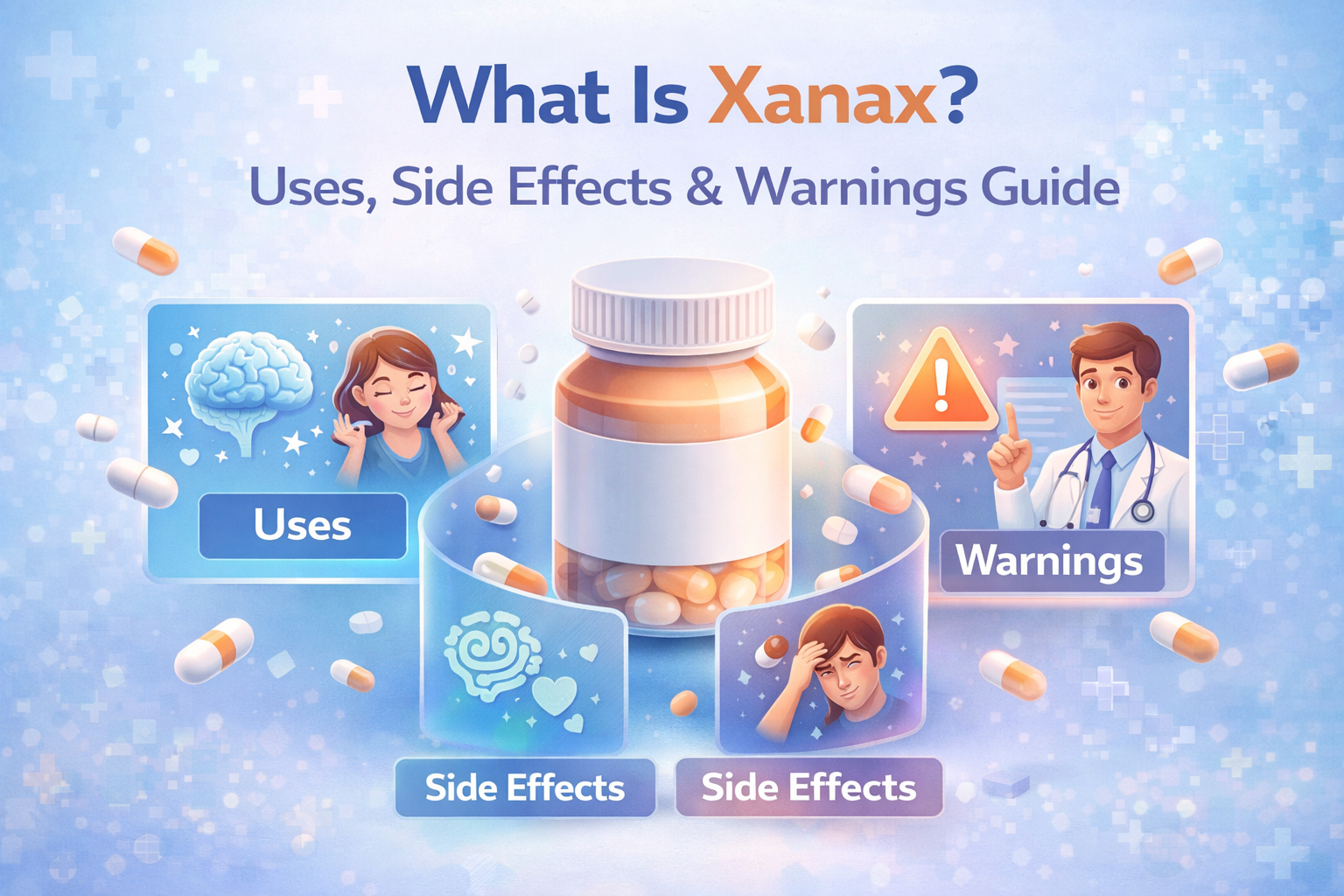
What Is Xanax?
Xanax is the brand name for Alprazolam, a medication that belongs to a class of drugs known as benzodiazepines. These medications act on the central nervous system (CNS) and are primarily used to treat anxiety-related conditions.
Xanax works by enhancing the effects of a neurotransmitter called GABA (gamma-aminobutyric acid). This chemical helps calm brain activity, reducing excessive nervous stimulation and promoting relaxation.
Because of its fast-acting nature, Xanax is often prescribed for short-term relief of anxiety and panic symptoms.
Uses of Xanax
Doctors prescribe Xanax for several mental health conditions, including:
1. Anxiety Disorders
Xanax is commonly used to treat generalized anxiety disorder (GAD). It helps reduce excessive worry, nervousness, and restlessness.
2. Panic Disorders
Individuals experiencing panic attacks may benefit from Xanax. It can help control sudden episodes of intense fear, rapid heartbeat, and shortness of breath.
3. Anxiety Associated with Depression
In some cases, Xanax may be used alongside other treatments to help manage anxiety symptoms related to depression.
4. Short-Term Stress Relief
Doctors may prescribe Xanax for short-term use during periods of acute stress or emotional distress.
How Does Xanax Work?
Xanax affects the central nervous system by increasing the activity of GABA receptors in the brain. This leads to:
- Reduced brain excitability
- Decreased anxiety levels
- Muscle relaxation
- Sedative effects
Because of this calming effect, Xanax helps individuals feel more relaxed and less overwhelmed by stress or anxiety.
How Quickly Does Xanax Work?
One of the key reasons Xanax is widely prescribed is its rapid onset of action.
- It typically starts working within 20 to 60 minutes
- Peak effects occur within 1 to 2 hours
- Effects may last for several hours depending on the dosage
This fast action makes it useful for managing sudden anxiety or panic attacks.
Recommended Usage
Xanax should always be taken exactly as prescribed by a healthcare provider.
General guidelines include:
- Take the medication at the prescribed dose and frequency
- Do not increase the dose without medical advice
- Avoid alcohol while using Xanax
- Do not stop the medication suddenly
Since Xanax can cause drowsiness, it is important to avoid activities like driving until you know how it affects you.
Side Effects of Xanax
Like any medication, Xanax may cause side effects. These can range from mild to severe.
Common Side Effects
- Drowsiness
- Dizziness
- Fatigue
- Dry mouth
- Difficulty concentrating
- Changes in appetite
Serious Side Effects
- Difficulty breathing
- Severe drowsiness
- Confusion
- Memory problems
- Slurred speech
- Loss of coordination
If you experience severe side effects, seek immediate medical attention.
Warnings and Precautions
1. Risk of Dependence
Xanax has a high potential for dependence, especially when used for long periods or at high doses.
2. Withdrawal Symptoms
Stopping Xanax suddenly may lead to withdrawal symptoms such as:
- Anxiety
- Insomnia
- Irritability
- Tremors
- Seizures (in severe cases)
Doctors usually recommend tapering the dose gradually.
3. Drug Interactions
Xanax can interact with other medications, including:
- Opioids
- Antidepressants
- Sleep medications
- Alcohol
Combining these substances can increase the risk of serious side effects.
4. Not Suitable for Everyone
Xanax may not be appropriate for individuals who:
- Have a history of substance abuse
- Are pregnant or breastfeeding
- Have severe liver disease
- Have certain respiratory conditions
Always discuss your medical history with your doctor before starting Xanax.
Long-Term Use Considerations
Xanax is generally prescribed for short-term use because long-term use increases the risk of:
- Dependence
- Tolerance
- Cognitive impairment
- Reduced effectiveness
For long-term anxiety management, doctors may recommend therapy or other medications.
Tips for Safe Use
To use Xanax safely:
- Follow your doctor’s instructions carefully
- Do not share your medication with others
- Store it securely away from children
- Avoid combining it with alcohol or other sedatives
- Attend regular follow-up appointments
Conclusion
Xanax is a widely used and effective medication for managing anxiety and panic disorders. By calming the central nervous system, it helps reduce symptoms of stress, fear, and nervousness. However, it is important to understand that Xanax is a powerful medication that must be used responsibly.
While it can provide quick relief, it also carries risks such as dependence, withdrawal symptoms, and potential side effects. That is why it is typically prescribed for short-term use under the supervision of a healthcare professional.
If you are considering Xanax or currently using it, maintaining open communication with your doctor is essential. A well-monitored treatment plan ensures that you receive the benefits of the medication while minimizing potential risks.
Frequently Asked Questions (FAQs)
1. What is Xanax used for?
Xanax is mainly used to treat anxiety disorders and panic attacks.
2. How fast does Xanax work?
It usually starts working within 20 to 60 minutes.
3. Is Xanax addictive?
Yes, Xanax has the potential to cause dependence, especially with long-term use.
4. Can I take Xanax every day?
It depends on your doctor’s recommendation. It is usually prescribed for short-term use.
5. What should I avoid while taking Xanax?
Avoid alcohol and other sedatives, as they can increase side effects.
6. Can I stop Xanax suddenly?
No, stopping suddenly can cause withdrawal symptoms. Always consult your doctor first.
7. Is Xanax safe for older adults?
Older adults may require lower doses due to increased sensitivity to the medication.
Disclaimer
This article is for informational and educational purposes only and does not constitute medical advice. Always consult a qualified healthcare professional before starting, stopping, or changing any medication. Misuse of Xanax or other prescription drugs can lead to serious health risks, including dependence, overdose, and withdrawal complications. Use medications only as prescribed by a licensed medical provider.