
Pain is an uncomfortable feeling that occurs due to actual or potential tissue damage. It can affect daily life, mental health, and overall well-being. While some pain lasts only a few days, other types may continue for months or even years. Choosing the right treatment and medication plays a vital role in improving quality of life. This blog highlights some widely used medications for pain relief and explains how they work.
Introduction
Pain is one of the most common reasons people seek medical care. It can be classified as acute pain, which lasts for a short period, or chronic pain, which continues for more than three months. Acute pain often results from injuries such as burns, cuts, or fractures. Chronic pain may be caused by conditions like arthritis, cancer, nerve damage, or long-term back problems.
Pain intensity varies from mild to severe. Mild pain may be uncomfortable but manageable, while moderate pain can interfere with everyday activities. Severe pain can be disabling and affect movement, concentration, and emotional health.
Beyond physical discomfort, pain can also lead to emotional challenges such as stress, anxiety, depression, and irritability. It may interfere with work, relationships, and social life. Because pain affects people differently, treatment must be personalized.

Overview of Pain Relief Medications
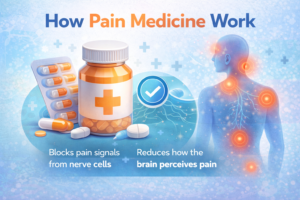
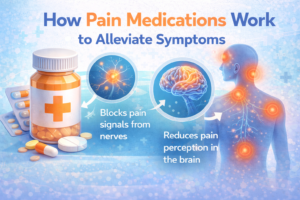
Medications used to reduce pain are known as analgesics. These drugs work by blocking or reducing pain signals traveling from the nerves to the brain. Pain medications are generally divided into two main categories: non-opioid and opioid medications.
Non-opioid medications, such as nonsteroidal anti-inflammatory drugs (NSAIDs) like ibuprofen and naproxen, are commonly used for mild to moderate pain. They also help reduce inflammation and swelling without causing significant sedation.
Opioid Pain Medications
Opioid medications are stronger pain relievers used to treat moderate to severe pain. Examples include morphine, oxycodone, hydrocodone, and tramadol. These drugs work by binding to opioid receptors in the brain and spinal cord, blocking pain signals before they reach the brain.
While effective, opioids can cause side effects such as drowsiness, constipation, nausea, and vomiting. Because of the risk of dependence, these medications must be taken exactly as prescribed and under medical supervision.
The choice of pain medication depends on pain severity, duration, underlying condition, and the patient’s medical history. Some medicines are available over the counter, while others require a prescription or online consultation with healthcare professionals.
List of Popular Medications for Pain Relief
Tramadol
Tramadol is commonly prescribed for mild to moderately severe pain in adults and adolescents aged 12 years and older. It belongs to the opioid analgesic group and works by changing how the brain and nervous system respond to pain.
Extended-release tramadol tablets are used for people who need continuous pain control throughout the day. It is often prescribed for chronic pain conditions when long-term relief is required.
Percocet
Percocet is a combination medication that contains oxycodone (an opioid pain reliever) and acetaminophen (a non-opioid pain reliever). This dual action enhances pain relief and is used for both short-term and long-term pain management.
Oxycodone reduces pain signals by acting on opioid receptors, while acetaminophen boosts the overall effect. Due to its opioid content, Percocet should only be used under close medical supervision to reduce the risk of misuse or dependence.
Oxycodone
Oxycodone is prescribed for moderate to severe pain, especially in patients who require long-term, around-the-clock pain control. It is not intended for occasional pain that can be managed with as-needed medication.
This medication is often used when other treatments are not effective and should always be taken exactly as directed by a healthcare provider.
Dosage Information
Tramadol Dosage
For adults, the usual starting dose is 50 mg every 4 to 6 hours as needed for pain. The maximum recommended daily dose is 400 mg.
For chronic pain, extended-release tramadol may be started at 100 mg once daily, with gradual dose increases. The maximum daily dose for extended-release formulations is 300 mg.
Percocet Dosage
Oxycodone is typically taken in doses ranging from 5 mg to 15 mg every 4 to 6 hours as needed. Acetaminophen doses usually range from 325 mg to 650 mg, with a maximum of 4,000 mg per day.
Oxycodone Dosage
Immediate-release oxycodone is commonly prescribed at 5 mg to 15 mg every 4 to 6 hours. Oral liquid forms must be measured carefully to avoid dosing errors. Patients should be monitored closely, especially during the first few days of treatment or after dose changes.
Side Effects
Tramadol Side Effects
Common side effects include drowsiness, headache, anxiety, nausea, dry mouth, stomach upset, and mood changes. Persistent or severe symptoms should be reported to a healthcare provider.
Percocet Side Effects
Possible side effects include dizziness, fatigue, constipation, nausea, vomiting, itching, flushing, dry mouth, and headaches.
Oxycodone Side Effects
Serious side effects may include slow or irregular breathing, confusion, seizures, fainting, or signs of serotonin syndrome such as fever, muscle stiffness, rapid heartbeat, and hallucinations. Immediate medical attention is required in such cases.
Precautions
Tramadol Precautions
Tramadol should only be taken under medical supervision. Patients should inform their doctor about any history of seizures, liver or kidney disease, mental health conditions, or substance abuse. It may interact with antidepressants, sedatives, and other pain medications. Extra caution is needed during pregnancy, breastfeeding, and in elderly patients.
Percocet Precautions
Avoid alcohol, sedatives, or other opioids while taking Percocet. Do not use this medication if you have taken MAO inhibitors in the past 14 days. Never share Percocet, and stop using it immediately if severe skin reactions occur.
Oxycodone Precautions
Oxycodone should be taken exactly as prescribed. Inform your doctor if you have a personal or family history of addiction. This medication is generally not recommended during pregnancy or breastfeeding unless absolutely necessary.
Using Pain Relief Medications Safely
Pain relief medications can be effective when used responsibly. Always follow your doctor’s instructions, avoid overdosing, and do not stop medication suddenly without medical advice. Consistent and proper use improves outcomes and reduces risks.
Conclusion
Pain relief medications such as tramadol, Percocet, and oxycodone can be highly effective for managing moderate to severe pain when used correctly. However, they carry potential risks and must be taken under professional guidance.
Open communication with healthcare providers, careful monitoring, and consideration of non-medication pain management strategies can help reduce dependence and improve long-term safety. Responsible use ensures better pain control and overall well-being.
Also Read: Get Tramadol (Ultram) Online: Guide and Licensed Doctor Rx
Also Read: Top 5 Prescription Pain Medications: A Complete Pain Relief Guide