
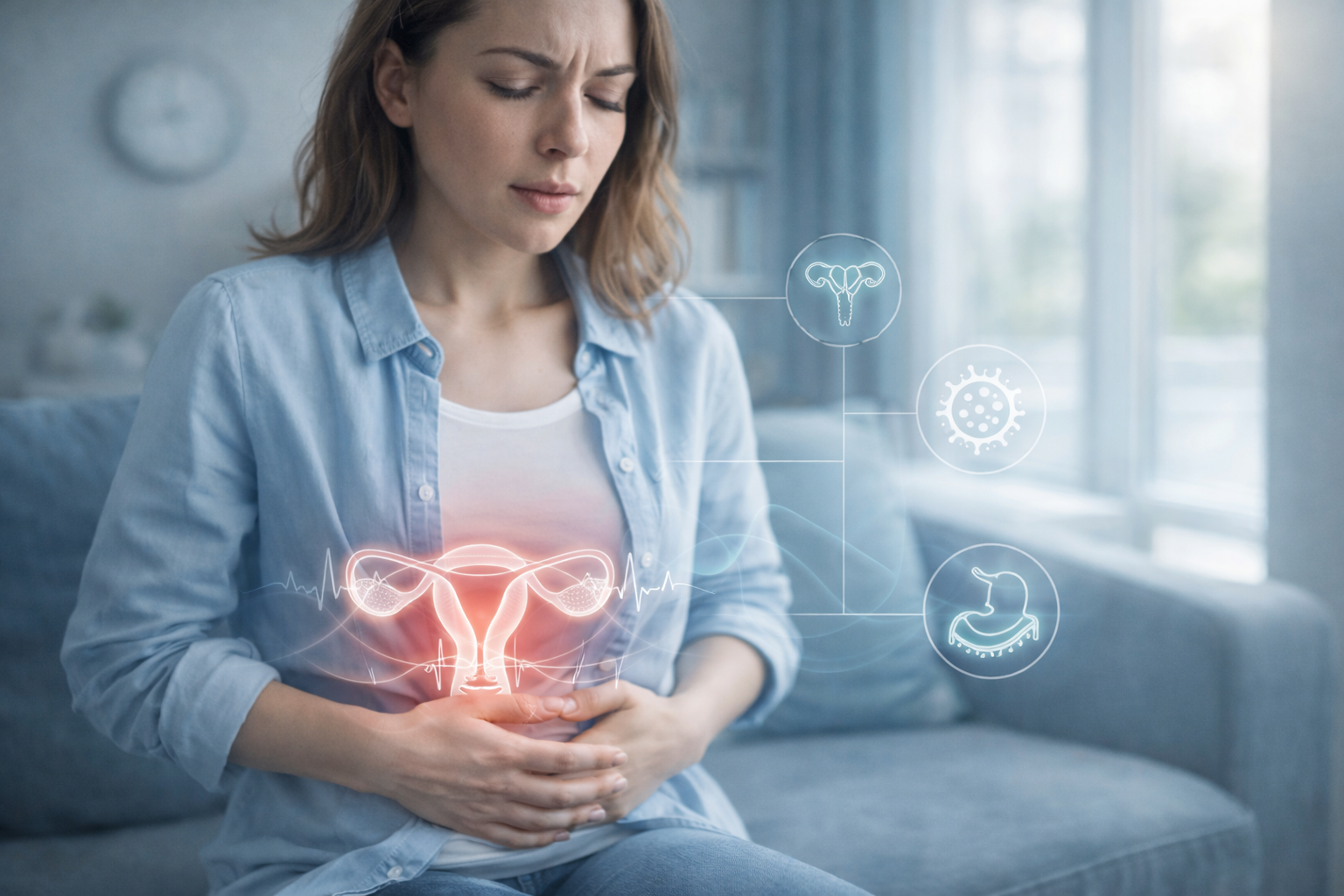
Lower abdominal pain in women can happen for many different reasons. Because the lower abdomen contains reproductive organs, parts of the digestive system, and the urinary tract, discomfort in this area can be linked to several possible conditions. Some causes are mild and temporary, while others may need medical attention. Understanding the difference is important for proper care.
Common Causes of Lower Abdominal Pain
Menstrual Cramps
One of the most frequent reasons for lower abdominal pain is menstrual cramping. As the uterus contracts to shed its lining, it can cause aching or throbbing pain. This discomfort may also come with bloating, lower back pain, or fatigue. For some women, cramps are manageable; for others, they can be intense.
Ovulation Pain
Some women feel pain around the time of ovulation, usually in the middle of their cycle. This pain often appears on one side of the lower abdomen and may last a few hours or even a couple of days. It is linked to the release of an egg from the ovary.
Pelvic Inflammatory Disease
Pelvic inflammatory disease is an infection that affects the reproductive organs. It is often related to untreated sexually transmitted infections. Symptoms can include ongoing lower abdominal pain, fever, unusual discharge, and discomfort during intercourse. Early treatment is important to prevent long-term complications.
Endometriosis
Endometriosis occurs when tissue similar to the uterine lining grows outside the uterus. This can lead to severe menstrual pain, heavy bleeding, digestive discomfort, and pain during intercourse. In some cases, the pain becomes chronic and interferes with daily life.
Ovarian Cysts
Ovarian cysts are fluid-filled sacs that develop on the ovaries. Many are harmless and disappear on their own, but larger or ruptured cysts can cause noticeable pain, bloating, or irregular periods.
Uterine Fibroids
Fibroids are non-cancerous growths in the uterus. Depending on their size and location, they may cause pelvic pressure, heavy menstrual bleeding, frequent urination, or abdominal discomfort.
Digestive Issues (IBS)
Irritable Bowel Syndrome can also cause lower abdominal cramping, along with bloating, diarrhea, or constipation. Symptoms often come and go and may be triggered by certain foods or stress.
Appendicitis
Sharp pain in the lower right abdomen that worsens over time may indicate appendicitis. This condition often includes nausea, fever, and loss of appetite. Immediate medical attention is required.
Urinary Tract Infections
UTIs can cause lower abdominal discomfort along with burning during urination and a frequent urge to urinate.
Sexually Transmitted Infections
Certain infections can cause pelvic pain, abnormal discharge, and discomfort. Prompt testing and treatment are important to avoid complications.
How Is the Cause Diagnosed?
Doctors typically begin with a detailed medical history and physical examination. Depending on symptoms, they may recommend:
- Pelvic examination
- Ultrasound imaging
- Blood tests
- Urine testing
- In some cases, minimally invasive procedures like laparoscopy
These tests help identify the source of pain and guide treatment.
Treatment Options
Treatment depends entirely on the underlying cause.
Medications
Pain relievers may help with cramps or mild discomfort. Antibiotics are used for infections. Hormonal treatments may help manage conditions such as endometriosis or severe menstrual symptoms.
Lifestyle Adjustments
Diet changes, stress management, and regular exercise can improve symptoms related to digestion and menstruation.
Surgery
Some conditions, including appendicitis, large cysts, or fibroids, may require surgical treatment.
Supportive Therapies
Some women benefit from pelvic physical therapy or complementary therapies for pain management.
When Should You See a Doctor?
Seek medical care right away if you experience:
- Sudden or severe abdominal pain
- Fever with abdominal discomfort
- Persistent vomiting
- Heavy or unusual bleeding
- Pain that continues or worsens over time
Looking for safe and reliable treatment options?
• Learn About Fioricet for Tension Headache Support
• Explore Zolpidem for Sleep Management Guidance
• Understand Rivotril for Anxiety and Seizure Care
Consult licensed healthcare professionals through secure telehealth platforms before starting any prescription medication. Your safety, privacy, and proper medical evaluation should always come first.
Conclusion
Lower abdominal pain in females can result from normal biological processes like menstruation or ovulation, but it may also signal infections, digestive issues, or more serious medical conditions. Paying attention to symptoms and seeking timely medical evaluation can help ensure proper treatment and prevent complications.
Disclaimer
This content is provided for informational and educational purposes only and should not be considered medical advice. It is not intended to diagnose, treat, cure, or prevent any medical condition. Always consult a qualified healthcare professional for proper evaluation, diagnosis, and personalized treatment recommendations. If you are experiencing severe or persistent abdominal pain, seek immediate medical attention.
Also Read:- https://usacheapmedicine.com/how-can-someone-identify-if-anxiety-is-the-reason-for-feeling-breathless/
Also Read:- https://usacheapmedicine.com/what-is-a-popular-medication-for-pain-relief/
Also Read:- https://usacheapmedicine.com/top-5-prescription-pain-medications-a-complete-pain-relief-guide/
Also Read:- https://usacheapmedicine.com/get-tramadol-ultram-online-guide-and-licensed-doctor-rx/

Pingback: Why Does Pain feel Worse at night? Understanding the Science Behind Night-Time Pain