
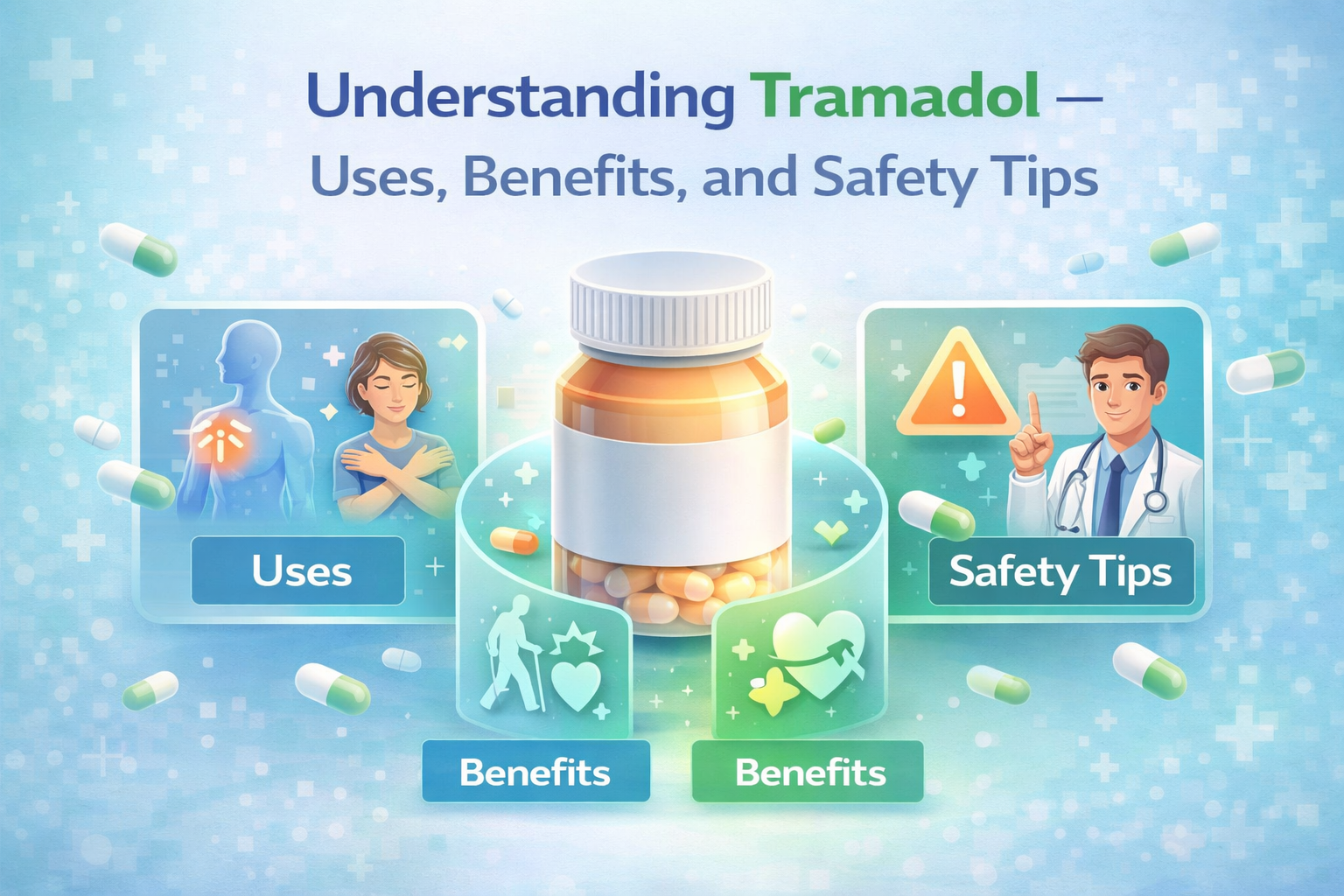
Pain can significantly affect daily life, whether it is caused by injury, surgery, or chronic health conditions. Managing pain effectively is important for maintaining comfort and improving quality of life. One medication that is commonly prescribed for moderate to severe pain is Tramadol.
This blog provides a detailed overview of Tramadol, including its uses, benefits, how it works, and essential safety tips to ensure responsible use.
What Is Tramadol?
Tramadol is a prescription medication that belongs to a class of drugs known as opioid analgesics. It is used to treat moderate to moderately severe pain, especially when other pain relievers are not effective.
Although it is classified as an opioid, Tramadol has a slightly different mechanism compared to stronger opioids like morphine. It not only binds to opioid receptors in the brain but also affects neurotransmitters such as serotonin and norepinephrine, which play a role in pain perception.
Uses of Tramadol
Doctors prescribe Tramadol for a variety of pain-related conditions, including:
1. Acute Pain
Tramadol may be used to manage short-term pain caused by injury, surgery, or medical procedures.
2. Chronic Pain
It is often prescribed for long-term pain conditions such as arthritis, back pain, or nerve-related pain.
3. Neuropathic Pain
Tramadol can be helpful in treating nerve pain, which may occur due to conditions like diabetes or nerve damage.
4. Post-Surgical Pain
After surgery, Tramadol may be used to reduce discomfort and help patients recover more comfortably.
How Does Tramadol Work?
Tramadol works in two primary ways:
- It binds to opioid receptors in the brain, reducing the perception of pain.
- It increases levels of serotonin and norepinephrine, which help regulate mood and pain signals.
This dual action makes Tramadol effective in managing different types of pain, including both physical and nerve-related pain.
Available Forms and Dosages
Tramadol is available in several forms to suit different patient needs:
- Immediate-release tablets (for quick relief)
- Extended-release tablets (for long-lasting pain control)
- Capsules and oral drops (in some regions)
The dosage varies depending on the severity of pain, the patient’s health condition, and their response to treatment. Doctors usually start with a lower dose and adjust it as needed.
Benefits of Tramadol
When used correctly under medical supervision, Tramadol offers several benefits:
Effective Pain Relief
Tramadol helps reduce moderate to severe pain, allowing patients to perform daily activities more comfortably.
Versatility
It can be used for both acute and chronic pain conditions.
Dual Mechanism
Its unique action on both opioid receptors and neurotransmitters enhances its effectiveness.
Improved Quality of Life
By managing pain, Tramadol can improve sleep, mobility, and overall well-being.
Safety Tips for Using Tramadol
While Tramadol is effective, it must be used responsibly to avoid potential risks.
1. Follow Prescription Instructions
Always take Tramadol exactly as prescribed by your doctor. Do not increase or decrease the dose without medical advice.
2. Avoid Alcohol
Combining Tramadol with alcohol can increase the risk of serious side effects, including breathing problems.
3. Do Not Share Medication
Tramadol is a prescription drug and should only be used by the person it is prescribed for.
4. Store Safely
Keep the medication out of reach of children and others who may misuse it.
5. Do Not Stop Suddenly
If you have been using Tramadol for a long time, stopping suddenly can cause withdrawal symptoms. Your doctor may gradually reduce the dose.
Possible Side Effects
Like all medications, Tramadol may cause side effects.
Common Side Effects
- Nausea
- Dizziness
- Drowsiness
- Constipation
- Headache
Serious Side Effects
- Difficulty breathing
- Seizures
- Severe drowsiness
- Allergic reactions
Seek immediate medical attention if you experience serious side effects.
Risks and Precautions
Risk of Dependence
Long-term use of Tramadol may lead to physical dependence or addiction.
Drug Interactions
Tramadol may interact with other medications, including antidepressants and sedatives.
Not Suitable for Everyone
Tramadol may not be appropriate for individuals with:
- History of substance abuse
- Severe respiratory conditions
- Liver or kidney disease
Always inform your doctor about your medical history before starting Tramadol.
Who Should Use Tramadol Carefully?
Certain groups should use Tramadol with caution:
- Older adults
- Pregnant or breastfeeding women
- Individuals with chronic illnesses
These individuals may require adjusted dosages or alternative treatments.
Conclusion
Tramadol is a widely used and effective medication for managing moderate to severe pain. Its dual mechanism of action makes it a versatile option for both acute and chronic pain conditions. When used responsibly under medical supervision, it can significantly improve comfort and quality of life.
However, like all opioid medications, Tramadol carries risks such as dependence, side effects, and potential drug interactions. Therefore, it is essential to follow your doctor’s instructions carefully and use the medication only as prescribed.
If you have concerns about your pain management plan, consult your healthcare provider to determine the safest and most effective treatment for your needs.
Frequently Asked Questions (FAQs)
1. What is Tramadol used for?
Tramadol is used to treat moderate to moderately severe pain.
2. Is Tramadol an opioid?
Yes, Tramadol is classified as an opioid analgesic, although it has additional effects on brain chemicals.
3. Can Tramadol cause addiction?
Yes, long-term use may lead to dependence or addiction if not used properly.
4. How long does Tramadol take to work?
Immediate-release forms usually start working within 30 to 60 minutes.
5. Can I take Tramadol with other medications?
You should consult your doctor, as Tramadol may interact with certain drugs.
6. Is Tramadol safe for long-term use?
It may be used long-term under strict medical supervision, but risks should be carefully monitored.
Disclaimer
This content is for educational purposes only and should not be considered medical advice. Always consult a qualified healthcare professional before starting, stopping, or changing any medication. Misuse of Tramadol or any prescription drug can lead to serious health risks, including dependence, overdose, and death. Use medications only as prescribed by a licensed medical provider.
Also Read:- How long does Tramadol stay in your system?
Also Read:- How Pain Medications Work to Alleviate Symptoms
I appreciate the clear breakdown of Tramadol’s uses and the safety tips included. Highlighting both the benefits and the precautions really helps readers understand how to use it responsibly. Posts like this make it easier to have informed conversations about pain management.