
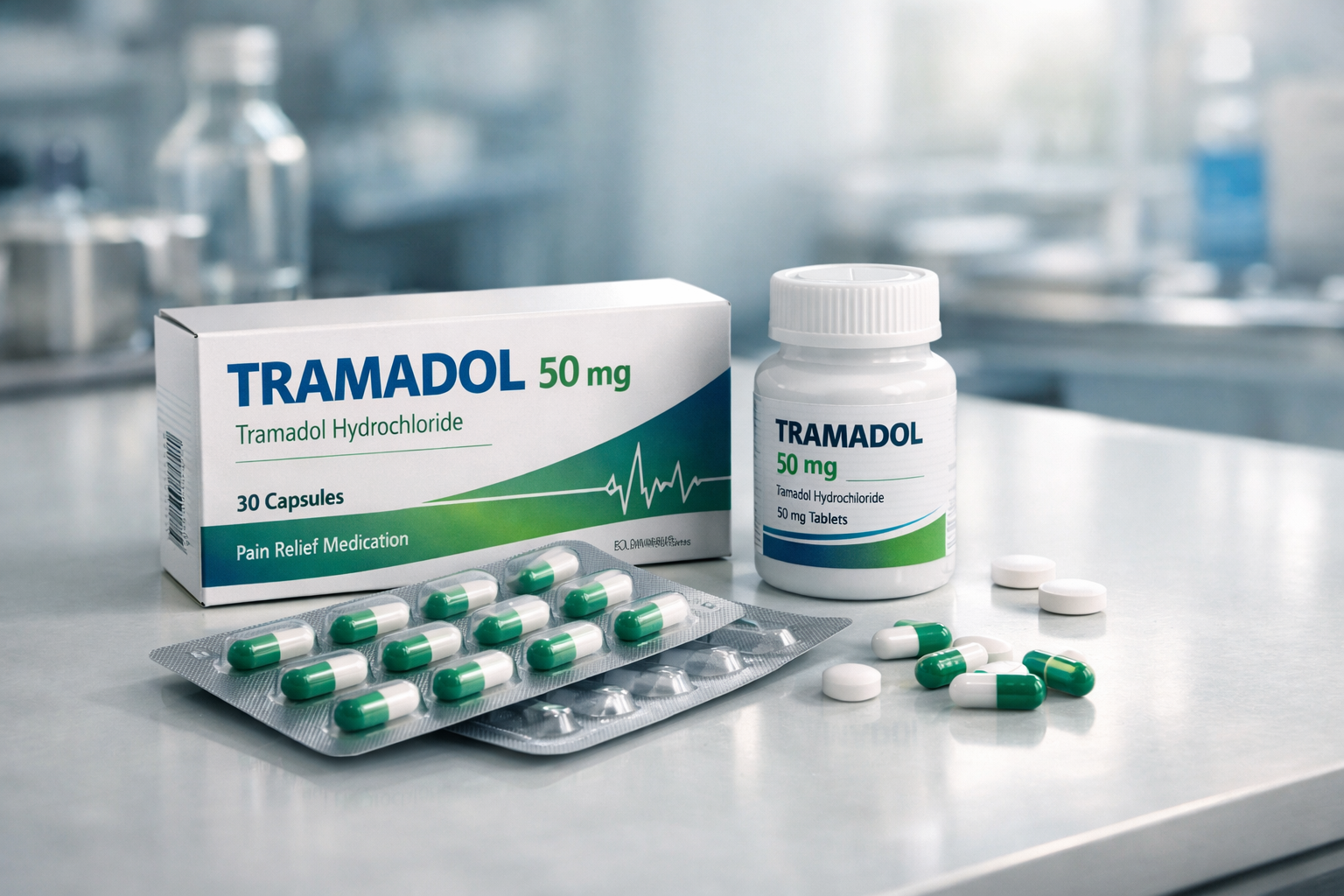
What is Tramadol?
Tramadol is a versatile pain reliever used to manage various types of pain, from mild discomfort to severe conditions. While it is an opioid, it is considered less potent than others, making it safer when taken as prescribed. Tramadol works by interacting with the brain to reduce pain signals, helping the body cope with discomfort during recovery. It is often used for chronic conditions like fibromyalgia or post-surgery pain, offering relief without heavy sedation.
Though it has been around for decades, buy Tramadol online to generate discussion regarding its safety, effectiveness, and classification as a narcotic-like drug. Known commercially as Ultram, many patients prefer to buy Tramadol online to manage persistent pain and support the body’s healing process.

What is Tramadol Used For?
Tramadol is prescribed for several medical purposes, including:
- Moderate pain
- Pain associated with tumors
- Pain after heart attacks (acute myocardial infarction)
- Traumatic injuries
- Discomfort during diagnostic procedures
- Pain during therapeutic treatments
- Nerve-related pain, such as neuralgia
Since Tramadol is prescription-only and can be habit-forming, its use must be guided by a healthcare professional.
How Tramadol Works
Tramadol acts on the central nervous system to provide effective, long-lasting pain relief. It is important to follow your doctor’s instructions, take doses consistently, and monitor any dietary considerations. Tablets should be swallowed whole, and liquid forms should be measured with the provided device, never with a kitchen spoon.
Never combine Tramadol with other opioids, inhale it, or attempt intravenous use outside medical supervision, as this can be life-threatening. Dose adjustments or discontinuation should always be guided by a physician to prevent withdrawal symptoms and ensure safe treatment.
History of Tramadol
Tramadol was developed in 1962 by a German pharmaceutical company and underwent extensive testing for 15 years. It was first launched in 1977 under the brand name Tramal and quickly gained popularity worldwide. In 1995, it was introduced in the United States under the names Ultram and Citra, becoming a widely used option for managing persistent pain.
Between 2008 and 2012, the number of Tramadol prescriptions in the U.S. grew dramatically, highlighting its increasing acceptance as an effective pain management option. Its history reflects its reliability and ongoing demand among patients.
Benefits Compared to Other Painkillers
Tramadol has several advantages when used correctly. Its extended duration allows for twice-daily dosing, maintaining stable blood levels and preventing sudden pain spikes. This steady effect is especially useful for chronic pain management.
Additionally, Tramadol’s lower peak plasma levels reduce the risk of early side effects common with other painkillers. Overall, it provides consistent, reliable relief that fits seamlessly into daily routines.
Side Effects, Interactions, and Warnings
Side Effects:
Tramadol may cause serious reactions. Seek immediate medical attention if you experience allergic responses such as hives, facial swelling, throat swelling, difficulty breathing, or skin rashes. Other potential side effects include slow breathing, dizziness, weakness, fatigue, seizures, nausea, constipation, or headaches.
Interactions:
Avoid operating heavy machinery until you understand how Tramadol affects you. Patients with liver or kidney problems should start with lower doses. Tramadol should never be combined with alcohol or other opioids without medical guidance.
Warnings:
Tramadol is not prescribed to individuals with a history of drug or alcohol abuse. Always inform your doctor about any prior substance use to prevent complications.
Recommended Dosage
The dose is personalized based on pain severity and patient sensitivity. Typically, adults take 50–100 mg every 4–6 hours, with a maximum daily dose of 400 mg. For chronic pain, extended-release tablets may start at 100 mg once daily, gradually increasing to 300 mg as needed. Tramadol is available in tablets, capsules, oral drops, injections, and rectal suppositories, including combination medications.
How to Get a Tramadol Prescription Online
Step 1: Schedule a virtual consultation with a licensed healthcare provider.
Step 2: Complete pre-visit paperwork, including pain history, allergies, medications, and mental health screening.
Step 3: Attend a live telehealth session to review your medical history, pain assessment, and any contraindications. Your doctor will provide dosage instructions and a tapering plan if needed.
Follow-Up: E-prescriptions are delivered to your pharmacy or home. Doctors may schedule a check-in 1–2 weeks later to monitor effects and adjust the dose.
Tramadol During Pregnancy and Breastfeeding
Pregnant and breastfeeding women should use Tramadol with caution. Capsules may be prescribed in the second or third trimester if benefits outweigh risks. Injections are for urgent situations, and rectal forms are generally avoided. Minimal dosing is advised during breastfeeding to reduce exposure to the infant.
Risks of Buying Tramadol Without a Prescription
Purchasing Tramadol without a prescription is unsafe. While some online pharmacies may offer it without a prescription, self-medication carries serious health risks. Always consult a doctor and follow professional guidance to ensure safe and effective pain management.
Disclaimer
The information provided on this website is for educational and informational purposes only and is not a substitute for professional medical advice, diagnosis, or treatment. All products mentioned, including prescription medications such as Tramadol, should be used only under the supervision of a licensed healthcare provider.



Pingback: What Is a Popular Medication for Pain Relief