Attention-deficit/hyperactivity disorder (ADHD) is a neurodevelopmental condition that affects both children and adults. It commonly causes symptoms such as difficulty concentrating, impulsive behavior, restlessness, and challenges with organization and time management. For many individuals, medication is an important part of ADHD treatment because it helps improve focus, attention, and overall daily functioning.
However, there are situations where an ADHD medication is no longer effective or does not provide the same level of symptom control as before. When this happens, patients often wonder whether the medication has stopped working or if the dosage needs adjustment.
Understanding the signs that ADHD medication is no longer effective can help individuals make informed decisions and discuss appropriate treatment changes with their healthcare provider.
In this blog, we will explore how ADHD medications work, common signs that medication may no longer be effective, and when increasing the dosage may be considered.
How ADHD Medications Work
ADHD medications work by affecting certain chemicals in the brain known as neurotransmitters, mainly dopamine and norepinephrine. These chemicals help regulate attention, motivation, and impulse control.
When these neurotransmitters are balanced, individuals with ADHD may experience improvements such as:
- Better concentration
- Reduced impulsivity
- Improved organization
- Increased productivity
- Better emotional control
There are two main categories of ADHD medications.
Stimulant Medications
Stimulants are the most commonly prescribed ADHD medications. They work by increasing dopamine and norepinephrine levels in the brain, helping improve focus and attention.
Examples include medications like Adderall and Ritalin.
These medications often start working quickly and are effective for many individuals with ADHD.
Non-Stimulant Medications
Non-stimulant medications are usually recommended when stimulant medications are not effective or cause unwanted side effects.
One commonly prescribed option is Strattera, which works differently by increasing norepinephrine levels in the brain.
Signs That ADHD Medication Is No Longer Effective
Over time, some individuals may notice that their ADHD medication does not seem to work as well as it once did. This can happen for several reasons, including changes in body chemistry, tolerance, lifestyle factors, or incorrect dosage.
Below are some common signs that ADHD medication is no longer effective.
1. Symptoms Begin to Return
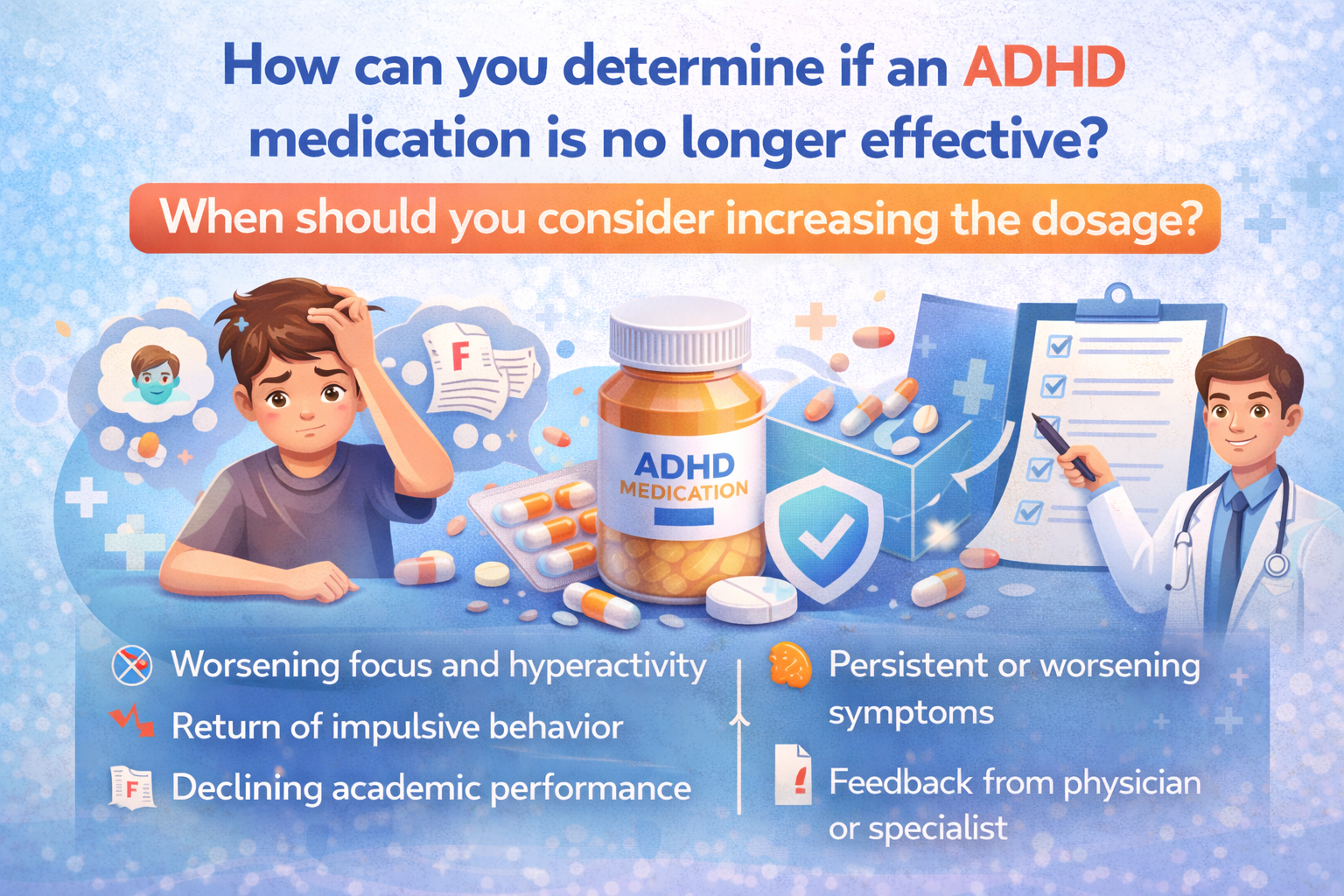
One of the most noticeable signs is the return of ADHD symptoms. If a medication was previously helping but symptoms such as distraction, impulsivity, or restlessness start coming back, it may indicate that the medication is losing effectiveness.
These symptoms may include:
- Difficulty staying focused
- Forgetfulness
- Trouble completing tasks
- Increased hyperactivity
- Poor time management
2. Shorter Duration of Effect
Another sign that ADHD medication is no longer effective is when the medication stops working earlier than expected.
For example, if the medication previously lasted 8–10 hours but now only works for 4–5 hours, it may suggest that the body has adjusted to the medication.
3. Reduced Productivity
When ADHD medication is working properly, many individuals notice improvements in their work, studies, or daily routines.
However, if productivity begins to decline despite taking the medication regularly, it may indicate that the treatment is no longer providing the same benefits.
4. Increased Mental Fatigue
Some people report feeling mentally exhausted or overwhelmed when their medication stops working effectively.
This can lead to difficulties with:
- Concentration
- Decision-making
- Completing daily responsibilities
5. Mood Changes
Another potential sign is experiencing mood changes such as irritability, frustration, or emotional instability.
These changes may occur because the medication is no longer effectively balancing brain chemicals related to focus and behavior.
Reasons Why ADHD Medication May Stop Working
There are several reasons why an ADHD medication may lose effectiveness over time.
Tolerance Development
One of the most common reasons is the development of tolerance. When the body becomes accustomed to a medication, it may require adjustments to maintain the same therapeutic effect.
Body Changes
Changes in body weight, metabolism, or overall health can influence how medication works.
Stress and Lifestyle Factors
Sleep deprivation, stress, poor diet, and lack of exercise can reduce the effectiveness of ADHD medication.
Incorrect Dosage
Sometimes the medication dosage may simply be too low to control symptoms effectively.
When Should You Consider Increasing the Dosage?
If ADHD medication is no longer effective, a dosage adjustment may be considered. However, this decision should always be made by a qualified healthcare professional.
Doctors typically evaluate several factors before increasing the dosage.
1. Persistent ADHD Symptoms
If ADHD symptoms continue despite taking medication as prescribed, a doctor may recommend adjusting the dosage.
2. Short Duration of Medication Effect
If the medication stops working earlier than expected during the day, increasing the dosage or changing to an extended-release version may help.
3. Minimal Side Effects
If a patient is tolerating the medication well without significant side effects, a doctor may consider a dosage increase to improve symptom control.
4. Growth or Weight Changes
Children and adolescents may require dosage adjustments as they grow because body size can influence how medications are processed.
When a Dosage Increase May Not Be the Best Solution
Increasing the dosage is not always the best approach.
Sometimes doctors may recommend alternative strategies such as:
- Switching to a different medication
- Combining medication with behavioral therapy
- Adjusting lifestyle habits
- Using extended-release medication
Every ADHD treatment plan should be individualized based on the patient’s specific needs.
Tips for Monitoring ADHD Medication Effectiveness
To determine whether ADHD medication is no longer effective, patients can monitor their symptoms and daily performance.
Helpful strategies include:
- Keeping a symptom journal
- Tracking focus and productivity levels
- Monitoring sleep patterns
- Discussing changes with a healthcare provider
- Scheduling regular medication reviews
These steps can help identify whether medication adjustments are necessary.
Importance of Professional Medical Guidance
It is extremely important not to adjust ADHD medication dosage without medical supervision.
Taking too much medication may cause side effects such as:
- Increased heart rate
- Anxiety
- Insomnia
- Headaches
- Loss of appetite
Healthcare providers carefully determine the safest and most effective dosage based on medical evaluation.
Conclusion
ADHD medications can significantly improve focus, productivity, and quality of life for individuals living with attention-deficit/hyperactivity disorder. However, there may be times when ADHD medication is no longer effective, causing symptoms to return or medication benefits to decrease.
Common signs include the return of ADHD symptoms, shorter medication duration, reduced productivity, and mood changes. These issues may occur due to tolerance, lifestyle factors, or dosage adjustments that are needed over time.
If you suspect that your ADHD medication is no longer working properly, the best step is to consult a healthcare professional. A doctor can evaluate your symptoms and determine whether a dosage increase, medication change, or alternative treatment plan is necessary.
Proper medical guidance ensures that ADHD treatment remains safe, effective, and tailored to your individual needs.
Frequently Asked Questions (FAQs)
1. How do I know if my ADHD medication is not working anymore?
Signs may include the return of ADHD symptoms, shorter duration of medication effects, reduced focus, and difficulty completing tasks.
2. Can the body become tolerant to ADHD medication?
Yes, over time the body may develop tolerance to certain medications, which may reduce their effectiveness.
3. Should I increase my ADHD medication dosage on my own?
No. Medication dosage should only be adjusted by a healthcare professional to avoid side effects and health risks.
4. How often should ADHD medication be reviewed?
Doctors usually recommend reviewing ADHD medications every few months to ensure the treatment is still effective.
5. Can lifestyle habits affect ADHD medication effectiveness?
Yes. Sleep, stress, diet, and physical activity can influence how well ADHD medication works.
6. What happens if ADHD medication dosage is too high?
Excessive dosage may cause side effects such as anxiety, insomnia, rapid heartbeat, or irritability.
Disclaimer
This article is for educational and informational purposes only and should not be considered medical advice. Always consult a qualified healthcare professional before making any changes to ADHD medication or treatment plans. Misuse or incorrect dosage of prescription medications can cause serious health risks. Only take medications exactly as prescribed by a licensed medical professional.
Also Read:- How Pain Medications Work to Alleviate Symptoms
Also Read:- How Pain Medicine Work
Also Read:- How to Securely Buy Xanax Online – Easy Step Guide