
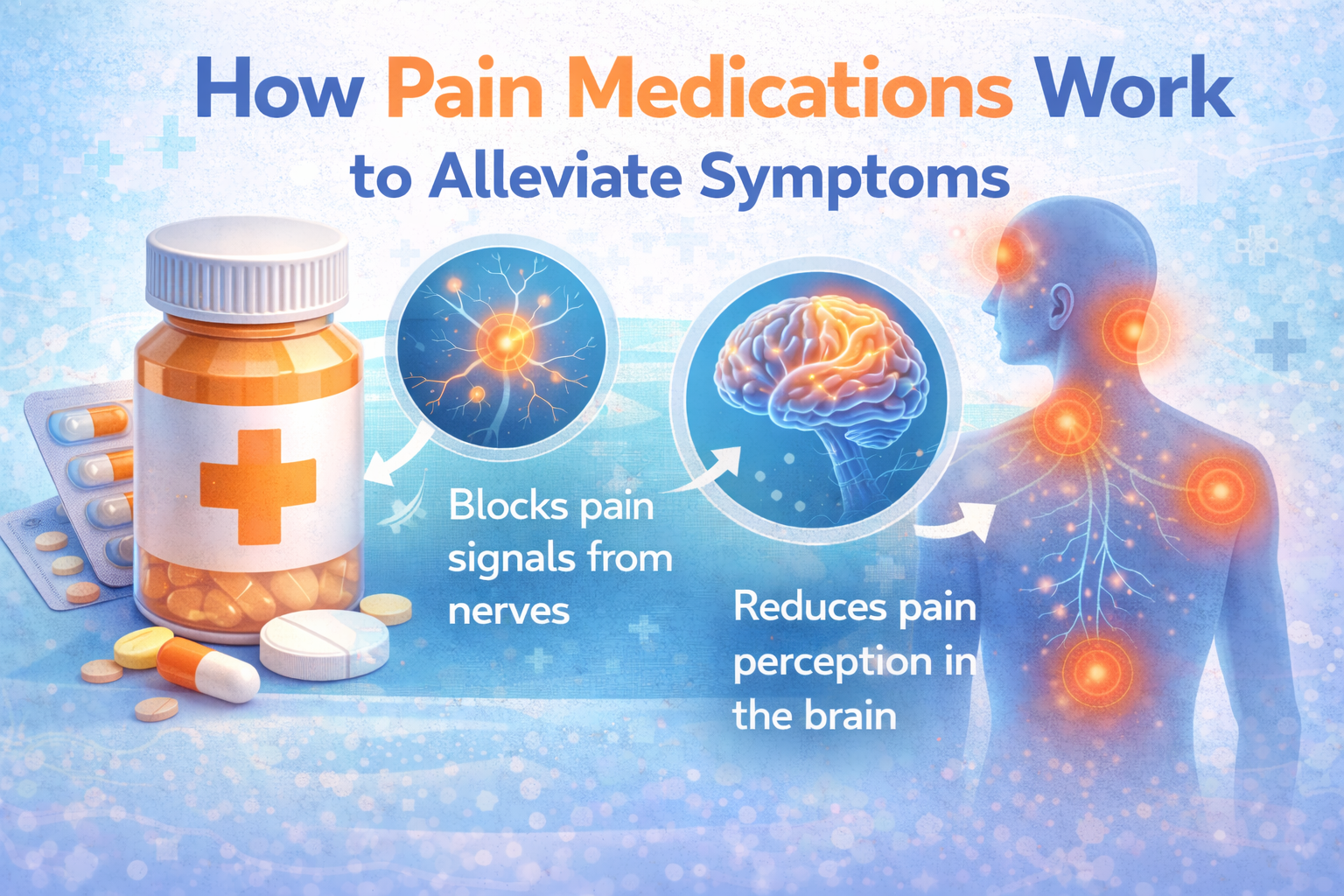
Pain is one of the most common health concerns experienced by people of all ages. It can occur due to injury, illness, surgery, inflammation, or chronic medical conditions. To manage pain effectively, healthcare professionals often recommend different medications depending on the cause, type, and intensity of the pain.
Pain medications work in different ways to relieve discomfort. Doctors and pharmacists may prescribe specific medicines after evaluating several factors such as medical history, existing health conditions, and the severity of symptoms.
Many mild pain relievers are easily available at pharmacies and can help with everyday pain. However, when these medications are not strong enough or do not provide adequate relief, stronger medications such as opioid pain relievers may be prescribed under medical supervision.
In this article, we will explore different types of pain medications, how they work, their possible side effects, and important safety information.
Types of Pain Medicines
There are many types of pain-relief medications available today. Some are designed to treat mild pain, while others are used for moderate to severe pain conditions.
To receive the most effective treatment, it is important to consult a healthcare professional who can recommend the right medication based on your health condition.
Below are some commonly used medications for pain management.
Tramadol
Buy online tramadol is a strong pain-relieving medication that belongs to a group of drugs known as opioid analgesics or narcotic pain relievers. It is commonly prescribed to treat moderate to severe or chronic pain, particularly when other non-opioid medications are not effective.
Tramadol works by acting on the brain and nervous system to change the way the body perceives pain. By altering pain signals sent to the brain, it helps reduce discomfort and improve a patient’s ability to function normally.
This medication is generally available in two forms:
Immediate-release tablets:
These tablets begin working relatively quickly and are usually prescribed for short-term pain relief.
Extended-release tablets:
These tablets release the medication slowly over time and are typically used to manage long-lasting or chronic pain.
Because Tramadol is an opioid medication, it should always be taken exactly as prescribed by a healthcare professional.
Dilaudid
Dilaudid is the brand name for hydromorphone, a powerful opioid analgesic used to treat severe pain. This medication is typically prescribed for patients who already have a tolerance to opioid drugs and require stronger pain control.
Doctors may recommend Dilaudid in cases such as:
- Severe injury-related pain
- Post-surgical pain
- Cancer-related pain
- Chronic pain conditions
Dilaudid is available in several forms, including tablets and liquid solutions. These formulations may be designed for immediate pain relief or extended pain control depending on the patient’s needs.
Because of its strength, this medication should only be used under strict medical supervision.
Percocet
Percocet is a combination medication used to treat moderate to moderately severe pain. It contains two active ingredients:
- Oxycodone, an opioid pain reliever
- Acetaminophen, a non-opioid medication that helps reduce pain and fever
These two ingredients work together to provide stronger pain relief than either medication alone. Acetaminophen enhances the effectiveness of oxycodone while also helping control fever and mild discomfort.
Percocet is often prescribed for conditions such as:
- Injury-related pain
- Post-surgical pain
- Musculoskeletal pain
- Severe headaches or dental pain
Since Percocet contains an opioid component, it carries a risk of misuse and dependency if taken improperly.
Paracetamol
Paracetamol, also known as acetaminophen, is one of the most widely used medications for treating mild to moderate pain and fever.
It is commonly used for conditions such as:
- Headaches
- Toothaches
- Muscle pain
- Fever
- Minor injuries
Unlike opioid medications, paracetamol is usually available without a prescription in many countries and is considered safe when used at recommended doses.
However, excessive use of this medication can lead to serious liver damage, which is why it should always be taken responsibly.
How Pain Medications Work
Different pain medications affect the body in different ways to reduce discomfort.
Opioid Pain Relievers
Opioid medications such as Tramadol, Dilaudid, and Percocet work by interacting with opioid receptors located in the brain, spinal cord, and other parts of the body.
When these receptors are activated, they:
- Reduce the transmission of pain signals to the brain
- Alter how the brain perceives pain
- Increase the body’s tolerance to discomfort
Because of their strong effects, opioids are usually prescribed only when other treatments are not sufficient.
Paracetamol
The exact way paracetamol works is not fully understood, but researchers believe it blocks certain enzymes called cyclooxygenase (COX) in the brain and spinal cord.
These enzymes help produce chemicals responsible for pain and fever. By blocking them, paracetamol reduces discomfort and lowers body temperature.
However, paracetamol does not significantly reduce inflammation compared to some other medications.
Which Pain Medicine Is Most Commonly Prescribed?
For mild to moderate pain, doctors often recommend paracetamol because it is widely available and generally safe when used properly.
When pain becomes more severe or persistent, stronger medications such as Tramadol may be prescribed, especially when other non-opioid treatments are not effective.
Opioids are typically used as a last resort due to their potential side effects and risk of dependency.
Who Should Avoid Pain Medications?
Certain individuals should be cautious when using pain medications.
People who should consult a doctor before using these medicines include:
- Individuals with kidney disease
- Individuals with liver disease
- People with a history of substance abuse
- People who frequently consume alcohol
Children under 18 and adults over 65 should also take extra precautions because their bodies may process medications differently.
In such cases, medical guidance is essential to avoid potential complications.
Possible Side Effects of Pain Medicines
Like all medications, pain relievers may cause side effects.
Common Side Effects of Opioid Medications
- Dizziness
- Drowsiness
- Constipation
- Dependence
- Drug tolerance
- Breathing problems (respiratory depression)
- Hormonal changes
Long-term use of opioids may lead to physical dependence and withdrawal symptoms if the medication is stopped suddenly.
Possible Side Effects of Paracetamol
- Nausea
- Headaches
- Allergic reactions (rare)
Taking large doses of paracetamol may result in serious liver damage, especially if combined with alcohol.
Risks Associated With Long-Term Opioid Use
Using opioid medications for extended periods may increase the risk of several health complications, including:
- Physical dependence
- Drug tolerance
- Withdrawal symptoms
- Risk of overdose
One of the most serious complications of opioid overdose is respiratory depression, which slows breathing and can become life-threatening.
Studies suggest that 50% to 80% of patients in clinical trials experience at least one side effect while undergoing opioid therapy.
For this reason, opioid medications should always be used carefully and only as directed by a healthcare professional.
Final Thoughts
Pain medications are important tools for managing discomfort caused by injuries, illnesses, and chronic conditions. From widely used medications such as paracetamol to stronger prescription drugs like Tramadol, Dilaudid, and Percocet, each type of medicine plays a specific role in pain management.
While these medications can provide effective relief, they must be used responsibly. Strong opioid medications carry risks of dependency, misuse, and serious side effects when taken improperly.
To ensure safe and effective treatment, patients should always follow their healthcare provider’s instructions and never exceed the recommended dosage.
Frequently Asked Questions (FAQs)
1. What is the most commonly used pain medication?
Paracetamol is one of the most commonly recommended medications for mild to moderate pain relief.
2. Are opioid pain medicines stronger than regular pain relievers?
Yes, opioids are stronger and are typically prescribed for moderate to severe pain when other medications do not provide relief.
3. Can pain medications cause addiction?
Certain medications, particularly opioids, may cause dependence or addiction if used improperly or for long periods.
4. Is it safe to take paracetamol every day?
Paracetamol can be safe when used at recommended doses, but long-term use should be discussed with a healthcare professional.
5. Why are opioids prescribed only in certain situations?
Opioids carry risks such as dependency and overdose, so doctors usually prescribe them only when other treatments are ineffective.
6. Can older adults use opioid pain medicines?
Older adults may need lower doses and careful monitoring because their bodies process medications more slowly.
Disclaimer
This article is intended for informational and educational purposes only and should not be considered medical advice. Always consult a qualified healthcare professional before starting, stopping, or changing any medication. Misuse of prescription medications, particularly opioid drugs, can lead to serious health risks including dependence, overdose, and death. Use medications only as directed by a licensed medical professional.
Read Also:- How Pain Medicine Work



It’s interesting how pain medications don’t always remove the source of pain but instead work by interrupting how the body processes pain signals. Understanding the difference between anti-inflammatory drugs and those that act on the central nervous system really helps explain why certain medications are chosen for specific types of pain. This kind of explanation makes it easier for readers to appreciate why proper usage and guidance are so important.
Thanks for breaking down how pain medications work—it’s really helpful to understand the different mechanisms behind them, especially for those managing chronic pain. I found the explanation of how medications like tramadol and tepentadol target specific pathways particularly insightful. It’s important for patients to know these details to have more informed discussions with their doctors.
Pingback: How can you determine if an ADHD medication is no longer effective? When should you consider increasing the dosage?
Pingback: Understanding Tramadol – Uses, Benefits, and Safety Tips